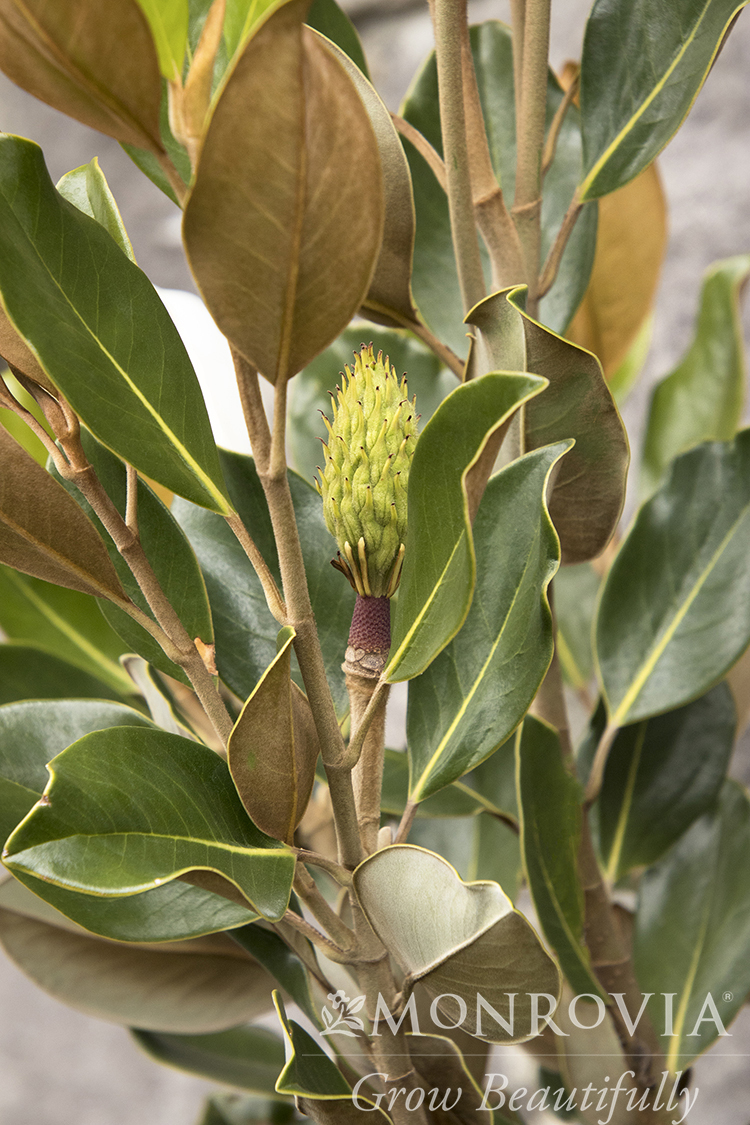
MAGNOLIA LITTLE GEM ESPAL 15 GAL

SKU: MAGNLITGEMESPC15

MAGNOLIA LITTLE GEM ESPAL 15 GAL

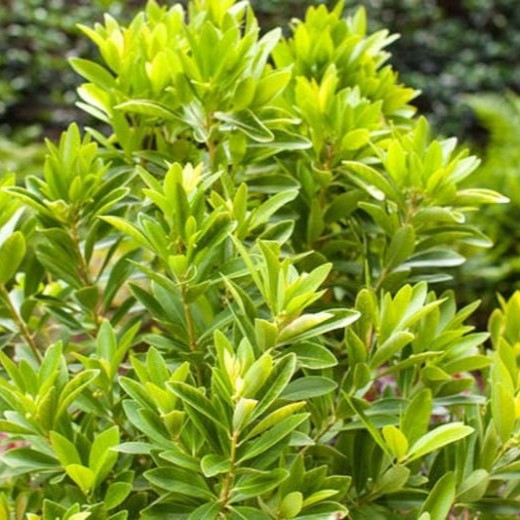
The Magnolia Little Gem Espalier is an elegant addition to any garden, known for its compact size and stunning evergreen foliage. This 15-gallon variety features fragrant, cup-shaped white blooms that create a striking visual display in the spring and summer. Ideal for smaller spaces or as a graceful accent, the espaliered form makes it suitable for walls and trellises. With moderate watering and well-drained soil, this hardy tree thrives in full sun to partial shade. Stovall offers high-quality nursery selections, making it easy to enhance your outdoor landscape with the beauty and charm of the Magnolia Little Gem Espalier.

MAGNOLIA LITTLE GEM ESPAL 15 GAL

In Stock at Locations: Alpharetta, Canton

Last Inventory Check: October 18, 2026 10:30 PM

*Inventory levels change throughout the day. Please call to confirm current availability and quantities.
  • Soil Type: Plant the Magnolia Little Gem Espalier in well-drained, slightly acidic soil rich in organic matter.
  • Watering: Water regularly to keep the soil consistently moist, especially during dry periods; avoid waterlogging.
  • Sun Exposure: Ensure the plant receives full sun to partial shade, with at least 6 hours of sunlight daily for optimal growth.
  • Spacing: Space each plant 4 to 6 feet apart to allow for adequate air circulation and growth.
  • General Maintenance: Prune lightly after flowering to maintain shape and remove any dead or damaged branches while avoiding heavy pruning.
  • Fertilizing: Feed with a slow-release fertilizer specifically formulated for flowering trees in early spring to promote healthy growth.
  • Mulching: Apply a layer of mulch around the base to retain moisture and suppress weeds while keeping mulch away from the trunk.
  • Pest Control: Monitor for pests such as aphids or scale and treat as necessary using insecticidal soap or horticultural oil.
  • Winter Care: In colder areas, protect the plant with a layer of mulch around the roots during winter months to prevent freeze-thaw cycles.